

How Home Design Influences Your Mood Every Day
A home should be more than a place to eat and sleep. It should support your daily routine and make you feel comfortable the moment you walk through the door. While many people focus on appearance when decorating, the way a home is designed can also affect mood, energy, and overall well-being. Simple choices such as lighting, color, furniture placement, and organization all play a role in how a space feels. Some homes naturally feel relaxing, while others seem busy or overwhelming even when they are beautifully decorated. The difference often comes down to thoughtful design rather than expensive furniture or trendy finishes. Understanding how home design influences mood can help homeowners make changes that improve both comfort and function. Whether you have recently moved into a new home or want to refresh your current one, small adjustments can have a meaningful impact. Creating a space that supports your lifestyle is often easier than many people expect.
Natural Light, Color, and Layout Shape Everyday Living
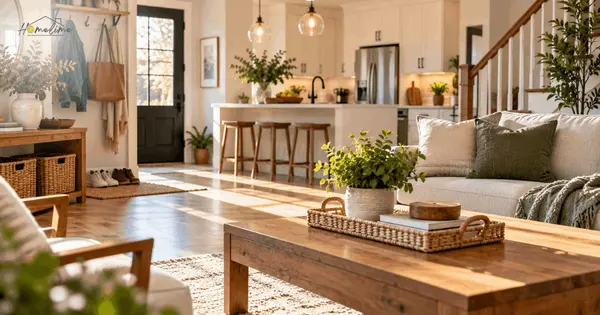
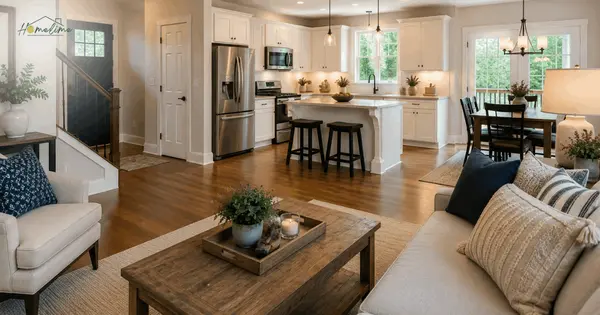
One of the biggest influences on mood is natural light. Rooms that receive plenty of daylight often feel larger, brighter, and more welcoming throughout the day. Opening blinds, choosing light window coverings, and keeping windows clean can make a noticeable difference without spending money on renovations. In areas where natural light is limited, adding well-placed lamps and warm lighting can create a similar sense of comfort. Color also affects how people experience a room. Soft neutral shades often create a calm atmosphere, while deeper colors can add warmth and character when used thoughtfully. The best color choices depend on how each room is used. Bedrooms often benefit from soothing tones that encourage relaxation, while kitchens and dining areas can feel inviting with warm, balanced colors. Furniture placement is equally important because it influences how people move through a space. Clear walkways and comfortable seating arrangements help rooms feel open instead of crowded. A thoughtful layout allows family members and guests to gather naturally without feeling confined.
Organization and Personal Touches Create Comfort
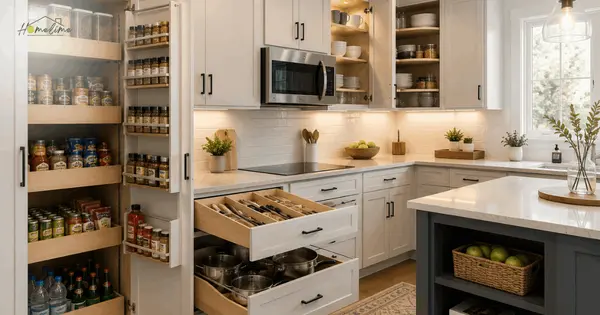
Clutter has a way of making even large homes feel smaller and more stressful. When countertops, tables, and floors are filled with unnecessary items, it becomes harder to relax because the space constantly competes for attention. Creating organized storage for everyday belongings helps each room feel cleaner and more functional. This does not mean every surface needs to be empty. Instead, homeowners should choose decorations and personal items that have meaning while avoiding unnecessary overcrowding. Family photographs, favorite books, artwork, and travel souvenirs can make a home feel welcoming because they reflect the people who live there. Plants are another simple way to create a more pleasant environment. Many indoor plants add color and texture while helping rooms feel more connected to nature. Comfortable fabrics, area rugs, and soft pillows also contribute to a space that feels inviting without overwhelming the room. The goal is to create balance by combining practical organization with personal style.
Small Design Changes Can Have a Lasting Impact
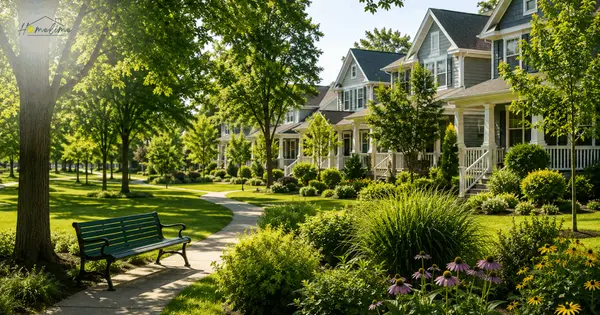
Improving the feel of a home does not require a complete remodel. Small updates completed over time often have the greatest impact because they focus on how the home functions every day. Replacing worn light fixtures, adding mirrors to reflect natural light, or rearranging furniture can completely change how a room feels. Homeowners should also consider how each room supports daily routines. An entryway with a bench and storage makes coming home easier, while a quiet reading corner creates a place to unwind after a busy day. Outdoor spaces deserve attention as well because patios, balconies, and backyards can become valuable extensions of the home. Even a small seating area surrounded by plants can provide a peaceful place to relax. The most successful home designs are not necessarily the most expensive. They are the ones that support the people who live there and make everyday life more enjoyable. A home that feels comfortable, functional, and welcoming is often one that continues to serve its owners well for many years.
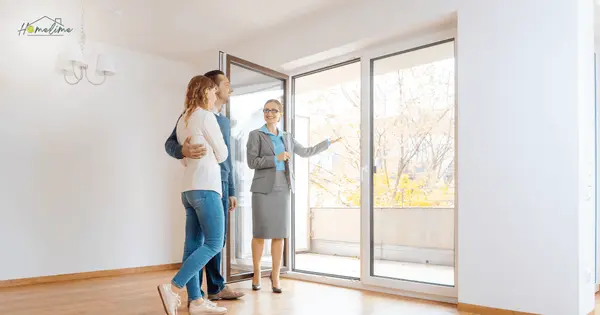
Good home design is about more than choosing attractive furniture or following the latest decorating trends. It is about creating spaces that support everyday living and contribute to a positive atmosphere. Natural light, thoughtful layouts, comfortable colors, organized storage, and meaningful personal touches all work together to influence how a home feels. Many of these improvements can be made gradually without requiring a large budget or major renovation. Small changes often produce noticeable results because they improve how each room functions as well as how it looks. Every household has different needs, so the best design choices are the ones that fit your lifestyle rather than someone else's preferences. Taking time to evaluate how your home makes you feel can help you identify simple opportunities for improvement. A comfortable home supports relaxation, productivity, and meaningful time with family and friends. Thoughtful design is not about creating a perfect space. It is about creating a home that feels right for the people who live in it. If you have questions about buying or selling a home in our area, working with a knowledgeable local real estate professional can help you make informed decisions.
Recent Posts

GET MORE INFORMATION
