

How to Read Between the Lines in Property Listings
Reading a real estate listing carefully is an important step when searching for a home. Listings provide useful details that help buyers understand what a property offers before scheduling a visit. However, some descriptions may sound more appealing than they actually are in person. This is why buyers should pay close attention to both the information provided and what may be missing. Understanding how to read listings properly can help avoid confusion later. It also allows buyers to compare homes more effectively. Careful reading supports better decision making throughout the process. Buyers often save time by focusing on listings that truly match their needs. Paying attention to details creates a more organized search experience. A thoughtful approach leads to more realistic expectations.
One of the first things buyers should review is the property’s location and overall size. Listings often include details about bedrooms, bathrooms, and total living space. These details help buyers decide if the home fits their lifestyle and daily needs. It is also important to look at lot size, parking options, and nearby amenities. These factors can influence long term comfort and convenience. Buyers should compare these details with their priorities before moving forward. Looking closely at the location can also reveal information about schools, transportation, and neighborhood surroundings. Understanding these aspects helps buyers make more informed choices. Small details can make a big difference in daily living. Reviewing the basics carefully helps narrow down better options.
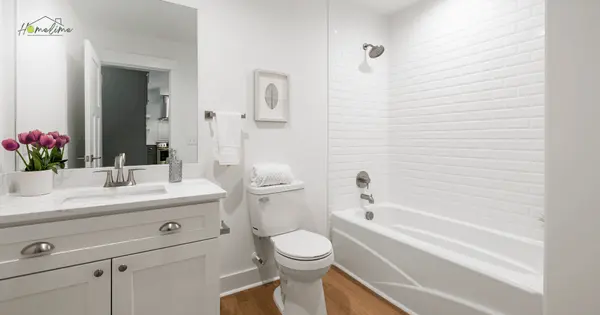
Photos are another major part of real estate listings, but buyers should understand that pictures may not always show the complete reality. Professional photography can make spaces appear larger, brighter, or newer than they actually are. This does not mean the listing is misleading, but it does mean buyers should remain realistic. Looking beyond appearance helps create more balanced expectations. Reading descriptions carefully alongside photos provides better understanding of the property overall. Buyers should also pay attention to what is not shown in the images. Missing areas may require further questions during visits. Comparing photos with written details helps create a clearer picture. Visiting the property in person remains important whenever possible. Visual presentation should support, not replace, careful evaluation.
Understanding common real estate terms can also improve the way buyers interpret listings. Words such as “cozy,” “updated,” or “potential” may describe different things depending on the property. Learning what these descriptions usually mean helps buyers avoid misunderstandings. Asking questions about unclear details is always a good idea. Buyers should feel comfortable requesting additional information before making decisions. Taking time to fully understand a listing creates more confidence during the search process. It also helps buyers feel more prepared during home tours. Knowledge reduces uncertainty and supports better choices. A well informed buyer is often more confident and organized. Careful reading reflects gratitude for making thoughtful and responsible decisions.
Recent Posts








GET MORE INFORMATION
