

What Makes a House Feel Like Home
People often form emotional connections when they walk into certain homes. Something about the space feels comfortable immediately. Buyers sometimes struggle to explain this feeling clearly. Layout, light, and atmosphere often create strong impressions. Natural lighting can influence mood within minutes. Open spaces may encourage easy movement throughout rooms. Familiar design elements may remind buyers of positive memories. Personal imagination begins shaping future daily routines. Buyers picture gatherings, quiet evenings, and daily habits. This emotional response builds attachment quickly. Homes that feel welcoming often create lasting impressions. Emotional connections frequently guide purchasing decisions strongly.
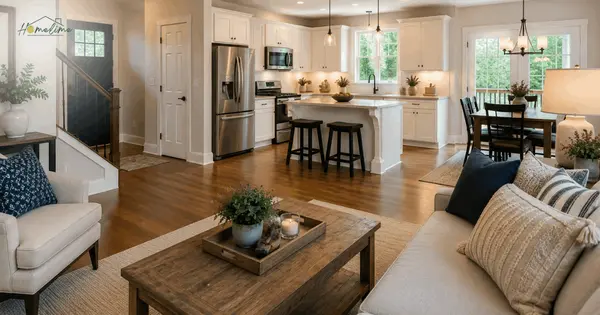
Comfort also plays an important role during home tours. Buyers notice how spaces support everyday living activities. Kitchens often become central gathering points within households. Living rooms encourage relaxation after long days. Bedrooms should provide privacy and quiet rest. Storage spaces improve organization and daily efficiency. Practical layouts reduce daily inconvenience significantly. Buyers appreciate homes that feel easy to maintain. Thoughtful design supports comfortable daily routines. Functional spaces often influence positive first impressions. Buyers value homes supporting practical needs consistently. Comfort encourages deeper emotional attachment to properties.
Neighborhood surroundings also shape emotional reactions strongly. Quiet streets may create feelings of safety. Nearby parks encourage outdoor activities regularly. Friendly communities often improve overall living experiences. Buyers consider convenience when exploring surrounding areas. Access to schools and services adds practical value. Walkable areas support active daily lifestyles. Clean environments often reflect community pride. Buyers imagine long term living possibilities there. Positive surroundings strengthen attraction toward certain homes. Community atmosphere supports stronger emotional connections. Location remains a powerful influence in home choices.
Timing can also affect emotional reactions during home searches. Buyers sometimes feel relief after long searches. Finding a suitable property creates excitement quickly. Emotional responses increase when expectations align perfectly. Buyers appreciate homes matching their priorities closely. Budget comfort also influences confidence strongly. Support from agents can reduce uncertainty. Clear information improves decision making significantly. Positive experiences build trust during transactions. Gratitude often appears when buyers find the right home. Emotional satisfaction strengthens final purchasing decisions. Homes that feel right often become lasting investments.
Recent Posts







GET MORE INFORMATION
