

Small Changes That Can Make Your Kitchen Easier to Cook In
A kitchen does not need expensive appliances, custom cabinetry, or a complete renovation to be a comfortable place to prepare meals. Sometimes the biggest frustrations come from smaller issues, such as crowded countertops, poorly organized drawers, or having to walk across the room every time you need a cooking utensil. These inconveniences may seem minor individually, but they can make everyday meal preparation feel more complicated than necessary. Homeowners often assume that improving a kitchen means replacing cabinets or changing the layout, even when the existing space could function better with a few adjustments. The most useful improvements usually begin with understanding how you move through the kitchen and which activities take more effort than they should. A better storage arrangement, improved lighting, or a clearer preparation area can make cooking more convenient without requiring significant construction. Even kitchens with limited square footage can become more practical when frequently used items are easy to reach and work surfaces remain available. Learning how to make your kitchen easier to cook in starts with identifying the small obstacles that interrupt your routine. Once those problems are clear, you can make thoughtful changes that improve the space while keeping your budget and existing kitchen features in mind.
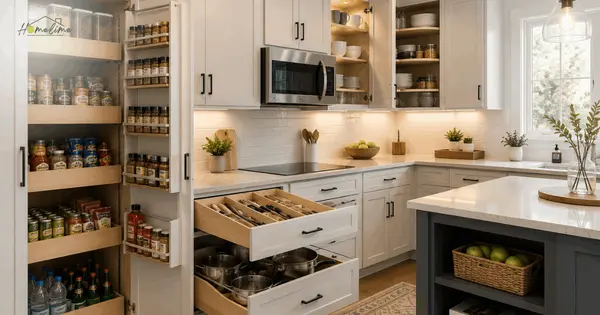
One of the most effective ways to improve a kitchen is to organize supplies according to how frequently and where they are used. Pots and pans are generally more convenient when stored near the cooking area, while cutting boards, knives, and mixing bowls should be accessible from the space where you prepare ingredients. If you regularly walk between opposite sides of the kitchen to gather basic supplies, consider whether moving a few items could simplify the process. Drawers and cabinets do not have to remain organized according to their original purpose, especially when your cooking habits have changed over time. A drawer that currently holds miscellaneous household items might work better for frequently used utensils, while rarely used serving dishes could be moved to a less accessible cabinet. Pantry organization can also improve meal preparation by making ingredients easier to locate and helping you recognize what needs to be replaced. Grouping similar foods together, keeping frequently used ingredients within reach, and checking expiration dates can reduce unnecessary searching and food waste. Before purchasing organizers, remove items you no longer use and evaluate whether the existing shelves and drawers can accommodate everything more efficiently. The goal is to create a kitchen where the items you need are located close to the activities they support.
Countertop space is particularly valuable because it provides the work area needed for washing, chopping, mixing, and assembling ingredients. When counters are crowded with decorative items, small appliances, and household belongings, even simple cooking tasks can become frustrating. Start by identifying which appliances you use regularly and which could be stored in cabinets or another accessible location when not needed. A coffee maker used every morning may deserve a permanent place, while a specialty appliance used occasionally might not need to occupy valuable workspace. Lighting is another practical consideration because shadows around the sink, stove, or preparation area can make kitchen tasks more difficult. Under-cabinet lighting may improve visibility on work surfaces, while appropriately positioned ceiling fixtures can help illuminate the room more evenly. Keep frequently used utensils and ingredients within comfortable reach, but avoid placing items where they interfere with cooking equipment or create safety concerns. If cabinet shelves are difficult to access, adjustable organizers or pull-out storage systems may make better use of the space without requiring new cabinetry. These small adjustments can make the kitchen feel more comfortable and efficient while preserving the layout you already have.
A functional kitchen should make cleanup manageable as well as food preparation, since both activities are part of everyday cooking. Consider where dirty dishes collect, how easily you can reach the trash, and whether cleaning supplies are stored conveniently and safely. Keeping a clear area near the sink can make it easier to rinse produce, wash utensils, and manage dishes without constantly moving other items out of the way. A designated location for cutting boards, dish towels, and frequently used cleaning tools can also prevent them from spreading across the countertops. If several people share the kitchen, organizing the space so common tasks do not interfere with one another may help reduce congestion. For example, placing snacks, drinking glasses, or frequently used dishes away from the main cooking area can allow someone to prepare food while another person gets what they need. Small maintenance tasks deserve attention as well, including repairing loose cabinet handles, replacing damaged drawer slides, and addressing faucets or fixtures that no longer work properly. These problems may not justify a major renovation, but fixing them can make everyday kitchen activities more convenient. Paying attention to how cooking and cleanup happen together can help you create a space that supports the entire routine rather than focusing only on appearance.
Making your kitchen easier to cook in does not necessarily require replacing cabinets, purchasing expensive appliances, or changing the floor plan. Often, the most helpful improvements involve organizing existing storage, creating usable countertop space, improving lighting, and making frequently used items easier to reach. Small changes can reduce unnecessary movement and make meal preparation feel more manageable, particularly in kitchens where space is limited. It is also worth considering how cleanup, food storage, and other household activities affect the way the kitchen functions throughout the day. Before spending money on upgrades, identify the specific problems that regularly interrupt your routine and look for simple ways to address them. A kitchen that works well for one household may not be ideal for another, so practical decisions should reflect your cooking habits and daily needs. You can make improvements gradually, allowing time to see which changes are useful before moving on to larger projects. The best kitchen updates are not always the most noticeable ones, but the adjustments that make ordinary tasks easier and more comfortable. If you are considering kitchen improvements before selling your home, a knowledgeable local real estate professional can help you evaluate which updates may make sense for your property and goals.
Recent Posts







GET MORE INFORMATION
